The post (Happy Mother’s Day to All.) {A Poem} first appeared on Jennifer S. White.
]]>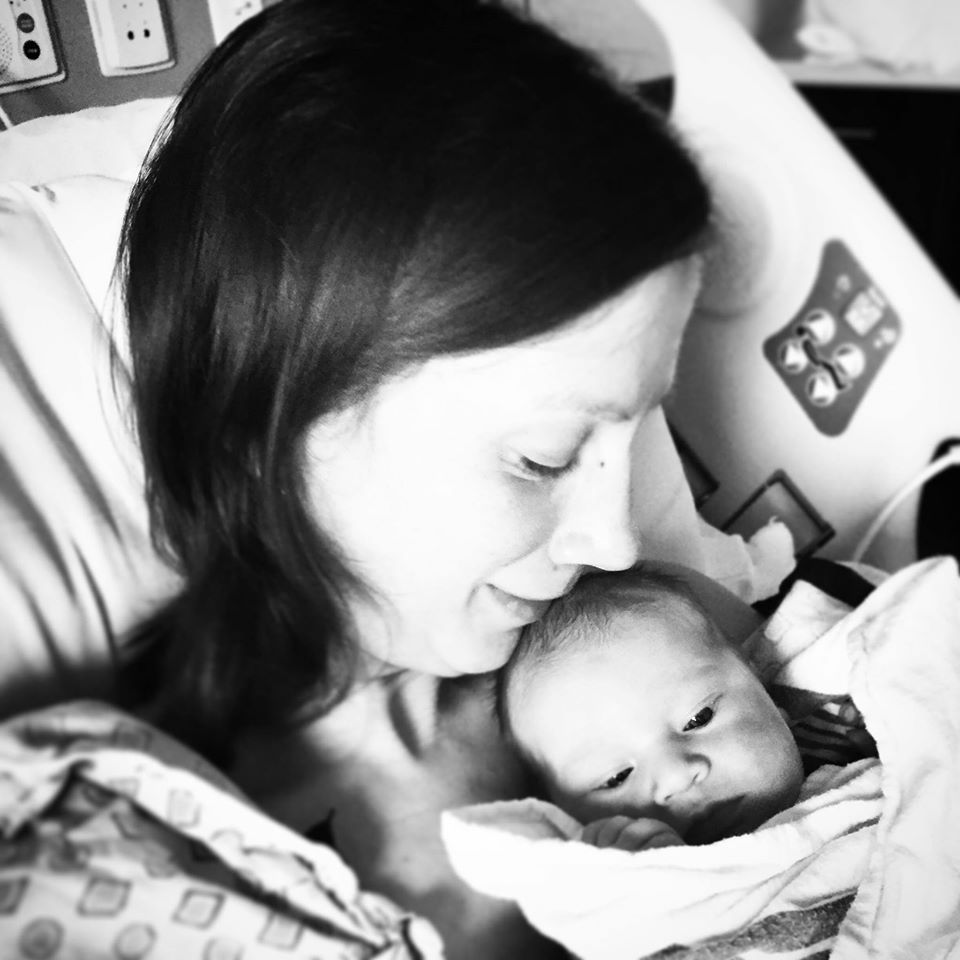
For the mother who wants nothing, more than hugs.
For the mother who needs nothing, beyond time spent together.
For the mother where words of cheerful greeting find they can never be enough, but are still said anyways.
For the woman who held your hand as a newborn, when fingers curled around a significantly larger one; who held your hand at two, at four, at fourteen and, now, whose hand often seems small wrapped tightly inside your own.
For the woman who is more than “mother.” (Aren’t we all?) But who made being mother her priority.
For the woman who surely had her own dreams, but helped you realize yours.
For the woman who holds your own children, her tender grandbabies, as if they were her own, only softer because she’s come to understand even more, if possible, the reality that nothing else matters beyond love like this.
For the women who didn’t have a mother-love like I’ve described.
For the people who have mothers but have, equally, wounds to heal: look around and know that the world is your mother and that, sometimes, mothers are not born by a birth, but by love, dedication and guidance. (And, often, this mother is best found in ourselves.)
I know, more, that as I raise my own kids with the most earnest love I’ve ever felt, that I’ll also be the source of many pointed fingers and awful tales, and rightly so.
I hope, sincerely, that a good mother is made not always by action, as so often easily and idealistically declared, but, too, by intention and by honest, love-filled labor.
Because we are mothers, but we are not perfect.
We are women, but we are much more.
So, to my children and to the mother who bore me (and to everyone), I offer up my deepest, most heartfelt gratitude for the most excruciatingly difficult role a person could ever play in another’s life and for, equally, a position for which there truly are no words.
(But I’ll say them anyways.)
Happy Mother’s Day, Mom.
Photo: Author’s own.
The post (Happy Mother’s Day to All.) {A Poem} first appeared on Jennifer S. White.
]]>The post Celebrating Being a Woman. first appeared on Jennifer S. White.
]]>
I’m sitting here listening to the sounds of my husband giving his mini-me a bath—our daughter.
I often “joke” that looking at her must be like looking into a mirror for him.
It’s a constant reminder to me that we are people, first and foremost, before we are men and women.
That said, we live in a world of gender inequality and gender stereotyping and I, for one, am a huge proponent of advocating that we look beyond gender and into the hearts, souls and minds of the individual.
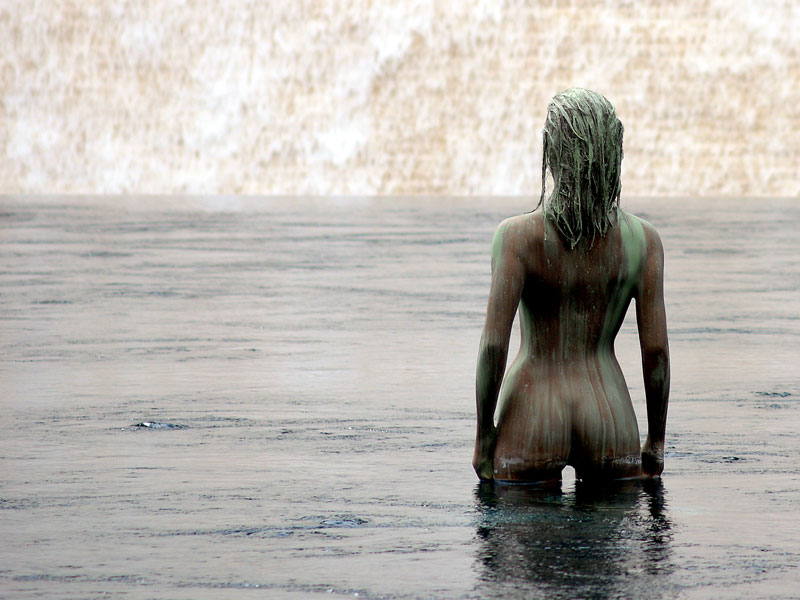
Still, I’m a woman—and I’m proud to be one.
While I’m fully aware that not all little girls want to wear dresses (I didn’t as a child), I’m equally more than aware that some do (my husband’s mini-me—my daughter—for example).
So, the thing is, I’m going to also be a proponent for being allowed to be proud that I’m a woman and of everything that this means to me, even if I’m also suggesting that what being a woman means to me is, and should be, vastly different than what it is for someone else.
And I want to be able to loudly proclaim my pride about both my femininity and the strength and ferocity that I equate this gleaming title with.
I’m a woman. I love tall boots and tight jeans.
I love long hair blowing in the wind and short hair, freshly chopped off.
I love both my small breasts and my swollen, pregnant ones.
I love wearing my husband’s shirts and form-flattering dresses.
I love shiny rings and sweaty skin.
I love reading a book and then watching the movie.
I love my aggressive attitude and my tender heart.
I love throaty, head-tilted-back laughs and seductress glances that come from the pit of my stomach.
I love a new bra and a worn-in t-shirt.
I love gold-flecked lipgloss and four coats of black mascara.
I love fresh-faced mornings in a sexy cotton robe and talks that could go on for hours.
I love sex. I love my body (after a long time of hating it and teaching myself how to love it).
I love that my body is preparing to give birth and the way my skin hangs differently from having my first child.
I love my independent spirit.
I love the way writing makes me come alive.
I love my bare nails and believe that nothing can have too much glitter.
I love raunchy humor and subtle smiles.
I love perfectly placed exclamation points and unexpectedly blunt periods.
I love everything about being a woman and, most of all, I love that female readers will probably bombard this post with raging comments that this is not a woman, to them, at all—because we are all unique and self-defined.
But, I’m a woman.
And I love my gender, my sexuality, my femininity and my rebelliousness against it too—and I want to celebrate these things just like we want to celebrate other facets of self-identity that are less categorical and likely to offend.
Yet being a woman isn’t something that’s black and white.
Take this story about Indian sprinter Dutee Chand.
Chand is being told she can no longer compete as a woman because her testosterone levels tested too high.
Yet Chand is a woman. She celebrates being a woman.
Actually, she’s currently fighting this definition that just because her body looks stereotypically different than a “woman’s” and because her naturally occurring testosterone levels are supposedly not low enough to be a woman, that she is still a woman and deserves to compete as one.
Her options, if she wants to compete under current athletic regulations: take drugs or have surgery to suppress the testosterone that her own body makes.
So, yeah, being a woman isn’t black and white.
Some women prefer white cotton panties while others prefer red lace (and some go commando).
Some of us drink our coffee black and some with milk (and others not at all),
But being a woman is something to be proud of; it’s something to be so proud of that we refuse to let others define what being a woman should mean to us—and what it shouldn’t.
So I’ll slip on my new black booties and my snug jeans. I’ll rub my hands over my rounding belly that houses a growing child for possibly a few more days.
And I’ll celebrate being a woman.
I’ll howl it. I’ll roar it. I’ll whisper it. (Depending upon my mood.)
But I’ll apologize to no one for my pride.
Because I’m a woman.
And I’m celebrating what that means to me.
Photo: Flickr/Ton Haex
The post Celebrating Being a Woman. first appeared on Jennifer S. White.
]]>The post How to Raise a Girl. first appeared on Jennifer S. White.
]]>
I’m about to have two little ladies running around my house instead of just one. (I’m expecting a girl.)
And raising a girl is nothing short of a blessing.
But sugar and spice and everything nice? Nah.
I’ll take a sprinkle of naughty and a hint of “likes to roughhouse.”
I’ll throw in a pinch of burn-your-mouth spicy and maybe an occasionally sour too.
Because I’ve been thinking a lot about raising girls and about being one too.
I’ve been thinking about my own experiences, hardships and hard-won lessons, and what exactly being a woman means to me.
So, here we go: a compilation of my memories, self-experiments, personal gender studies, stories and teachings.
How to raise a girl:
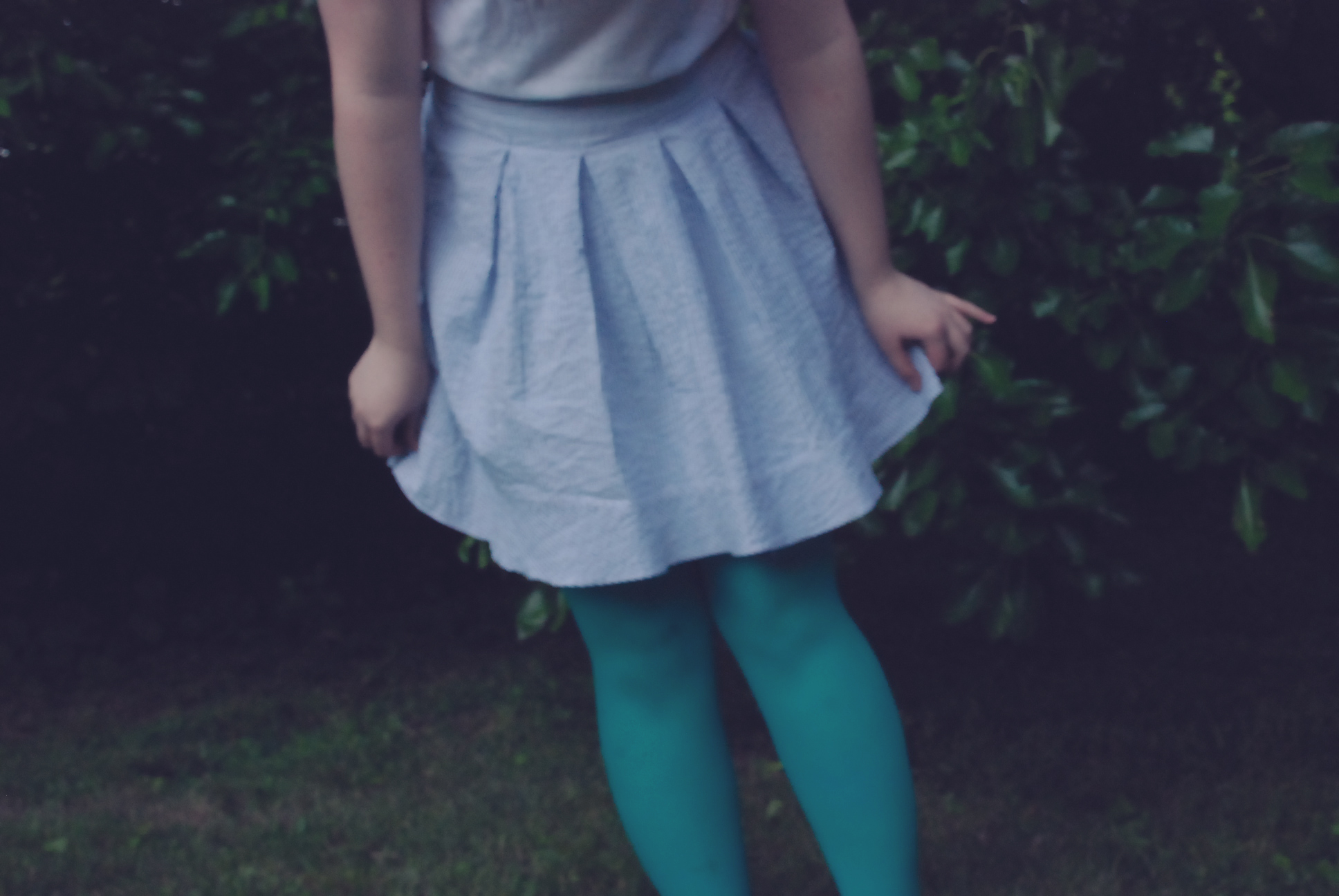
Let her pick out pink, frilly dresses—and wear them outside to play.
Throw the baseball with her in the backyard so that she can break in her new baseball mitt.
Be comfortable with her nudity and with your own, so that she can grow to be comfortable in her skin.
Let her take off her teenage bra and not wear it for a year. Don’t freak out if she stops shaving her armpits. Let her disown her girlhood because she’s rebelling against—and mourning—leaving it behind.
Let her cover her breasts and wear baggy clothes—but make sure that she’s not covering more than her body from the world.
Let her eat, but teach her that self-indulgence is not self-care either.
Hold her when she’s fallen down and then help her learn how to get back up, for when you’re not there to grasp her hand.
Make sure she knows that she can date whatever gender she wants. Teach her that nice guys and girls do win, and teach her, preferably through example, to choose partners based on qualities that matter and not what’s between the legs, inside wallets or behind “mysterious” demeanors.
Teach her that she is whole alone.
Help her to be proud of her femininity when (and if) she discovers it, and teach her to appropriately equate this word with strength.
Remember, if you’re also a woman, that she is not you and that just because she’s a girl, this doesn’t mean you will share experiences, perceptions or personalities.
Share your heart and your experiences with her, though, so that she becomes familiar with intimacy.
Kiss her and hold her and hug her for no reason. Let her know that she owes no one any of these things.
Toss her giggling, toddler body into the air. Wrestle with her and don’t tell her to “be careful” when she shows signs of being a daredevil.
Show her how to cook, do laundry and clean—not because she’s a girl, but because it will help her be self-sufficient.
Make sure she understands that “being good” doesn’t mean putting herself last or being small. Rather, it means being authentic and kind (and to herself too).
Dry her tears with your love and willingness to witness her pain, but don’t tell her that her crying should be stopped or that it’s a weakness. Show her that it takes courage to wear an occasionally tattered heart on her sleeve.
Tell her she’s beautiful. Tell her she’s beautiful when she’s just woken up, when she’s sweaty and not only when she’s all dressed up. Tell her she’s beautiful when she’s laughing and sharing her ideas and baring her soul.
Allow her to wear bright red lipstick when she’s old enough, but help her develop self-confidence without it.
And, most importantly, raise her not as a girl, but as the individual who she already is—and love her for it.
Photo: Danielle Moler/Flickr.
The post How to Raise a Girl. first appeared on Jennifer S. White.
]]>The post How to Treat a Lady. first appeared on Jennifer S. White.
]]>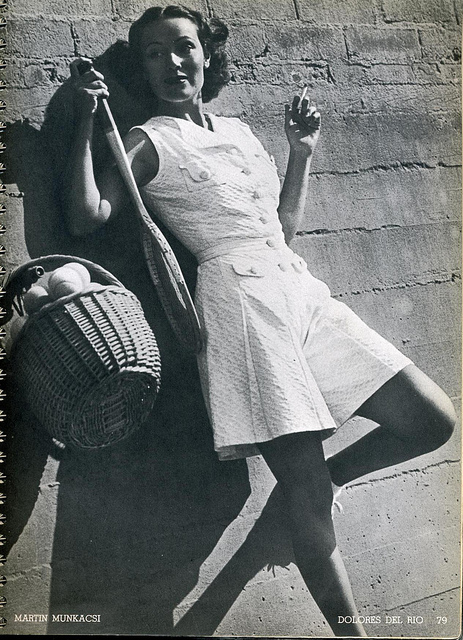
In this day and age the word lady arguably has many definitions.
Let’s put it this way, if you’re someone who complains, privately much less publicly, that women want to be independent yet have the door held open for them too, then, in my less-than-humble opinion, you should be automatically disqualified from having to even worry about how to treat a lady.
Hopefully she has someone else holding her hand on her meteoric rise up in the world—and also someone loving enough to want to hold the door for her.
Now, what about if you do have a lady in your life?
She’s someone who lets you know when she’s upset—yet she tries to be as tactful and graceful as possible while she’s putting you in your place—and if she does overstep these rather sensitive moral boundaries, then she always apologizes.
She’s mysterious and lively, intelligent and just plain fun—she’s many things, in fact.
This is a lady.
What exactly do you do with this sort of woman?
Never fear, this lady will give you a few pointers.
1. Keep your sense of humor—you’ll need it.
An emotionally mature woman is still allowed the occasional temper tantrum (in case you weren’t aware).
From time to time, she might go off about not being your housemaid—when, in reality, you know that it’syou who is doing much of the laundry.
She might also—only every now and then mind you—have another glass of wine that she didn’t really need, and her silly sense of humor might temporarily become a little overboard.
These situations, and many others, require a lady’s mate to have a great sense of humor.
Be someone that can laugh with her (never at her)—and also remember to use your own comedic timing to lighten her mood when she does get out of sorts.
2. Don’t pick on her (too much).
I understand that it must be some sort of natural inclination of men, starting around age seven when they discover that there are people without penises on the playground, to pick on ladies that they find interesting.
Be careful how much you pick on her, and know when it’s the right time.
Wrong moments include (but aren’t limited to) that time of the month, as well as anytime when she’s preparing for a holiday or important event that she’s nervous about, while she’s driving, or if she has had that aforementioned extra glass of wine.
It is acceptable, however, to be playful for shorter intervals. (I recommend short intervals, because then you can see how she handles it before you get stuck in an unfortunate situation that might possibly lead her into having to apologize later—although she will, because she is a lady.)
3. Don’t talk about other women.
You’d think that this wouldn’t be an issue, what with all the horror stories out there—yet it’s still an occurrence in some relationships.
Real ladies do not like you to make any reference to other women because, one: she likes having female friends and doesn’t like them to be unfavorably compared to her (which they should always be—keep this in mind); two: being a lady, of course, she has impeccable manners and doesn’t like unnecessary gossip and,three: should you be idiotic enough to actually bring up a scenario where another woman winds up the victor, well, let’s just say that she is officially not held accountable for her subsequent actions. But, more importantly, she also doesn’t like having her feelings hurt because inside all ladies there are tender little girls.
4. Hold the damn door.
Yes, I can understand that some men think that women nowadays want their cake so that they can eat it too. Let me tell you, this is absolutely true—and she also wants you to clean up the crumbs.
What’s wrong with that? She’s worth it and she knows it.
5. Be strong.
What a lady wants more than anything else in the world is a friend who knows her inside and out, loves her anyways, and then treats her with such an unconditional love.
If you want the same thing—a willing partner and an intellectual match—then, please, be strong enough to handle her.
She, no doubt, will try your patience—and she will want you to challenge hers in return. (Just so you’re aware—this is an unspoken rule.)
Do not let her win all the time because she will lose respect for you.
Learn how to delicately stand up to her when you know that she’s not seeing the bigger picture, and, for Godsakes, be able to tell her how you feel too. It will make her less likely to trample you—because a strong women will, without meaning to, sometimes make you feel bulldozed.
Part of being a lady is that she knows exactly who she is—so know who you are too.
If you’ve ever loved a real woman—someone with strength of character and softness of heart—then you’re more than aware that she is worth learning how to work with.
Don’t forget that her feminine complexities are what drew you to her in the first place.
While there are arguably many definitions for a lady—because, thankfully, no one woman is like another—I will assure you of this: they all want to be treated well.
“How can a woman be expected to be happy with a man who insists on treating her as if she were a perfectly normal human being.” ~ Oscar Wilde.
Photo: Dolores Del Rio/Flickr; Alex Schmitt/Flickr.
This article was previously published by elephant journal.
The post How to Treat a Lady. first appeared on Jennifer S. White.
]]>The post 8 Tips: How to be an Aggressive B*tch That People Actually Like. first appeared on Jennifer S. White.
]]>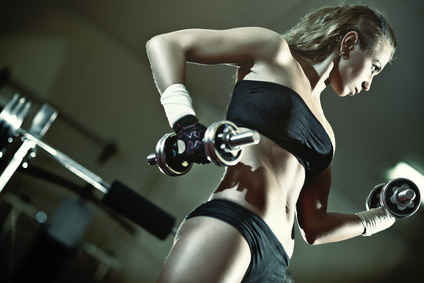
There’s a falsehood that repeatedly circulates and that fallacy is that people (be it man or woman) don’t like aggressive women—and I wholeheartedly disagree.
And it’s not about being a tactful bitch or even a pretty, smiley one—no, it’s more direct than that.
Here, without mincing words, is how to be a strong, independent, go-getting woman that others will still want to be around.
1. Like yourself.
The way that we treat people comes from within.
When we like who we are and accept everything about ourselves—like our aggressive nature, if we have one—then we’re so much more likely to accept others for who they are—and it shows.
2. Don’t fight.
Yoga practitioners strive to reign in their churning, swirling thoughts by training the mind to be still—but this is not the same as fighting who you truly are.
Some of us are born easy-going, for instance, and some are not. (I can especially vouch for this as a loving mother.) It’s imperative that we own up to our more innate qualities so that we can fully develop them and then let them shine.
3. We are not Gods.
Yes, you can be an aggressive individual who has the confidence to assert yourself easily, but please remember that your way isn’t the only way or always the best way either.
Again, as a mama, my daughter is much less obvious than I am in the way that she shares her opinions and thoughts, but just because she’s a tad quieter and calmer about her delivery doesn’t mean that I shouldn’t pause and appreciate her perspective.
In short, yes, be your aggressive self, but let’s not forget that we are not better simply because we’re louder.
4. Be strong enough to back off.
It takes a lot of personal discovery and, often, experience to learn when a situation calls for boldness and when the boldest action is silence and patience. Continue searching and practicing.
5. Be kind.
An aggressive woman is still a kind one.
Self-confidence is easily mistaken for self-centeredness, although these two don’t have to go hand in hand.
Part of the reason for this faulty bias is that emphatic, self-confident people are not afraid to be big and bold and shiny—and this can be intimidating. Consider that it’s not our job to make others feel comfortable with our own radiance, but, equally, that we can be empathetic and understanding.
6. Own it.
I’ve been writing a book on being a recovered anorexic and a huge part of anorexia is trying to make yourself smaller—and I don’t mean physically.
Everyone is done a disservice when we try to cram our vibrancy into tiny packages to make others more comfortable with our presence.
7. The root of it all.
Get in touch with the why of your fearlessness, because it’s when we act out strongly from a place of fear, intimidation and, basically, ego that we are not being strong—we’re being jerks.
8. Don’t live your life to be liked.
I know that the title of this article involves being liked, but the bottom line is that people will like you while others do not. Living our lives from a place of neediness is not only unhealthy but unattractive.
Be okay with who you are—and be alright with less than perfect appraisals.
The deceptive story that aggressive women are bitches in a negative sense only borders on true when that aggression comes from a personal belief of self-deficiency and a reaction of bullying; driven by a demand to justify and prove our worth.
However, when we connect with our biggest, brightest inner selves and then shine out to the world from this place of love, we’re radiating love and light—and, well, what’s not to like?
“Our deepest fear is not that we are inadequate. Our deepest fear is that we are powerful beyond measure. It is our light, not our darkness that most frightens us. We ask ourselves, ‘Who am I to be brilliant, gorgeous, talented, fabulous?’ Actually, who are you not to be? You are a child of God. Your playing small does not serve the world. There is nothing enlightened about shrinking so that other people won’t feel insecure around you. We are all meant to shine, as children do. We were born to make manifest the glory of God that is within us. It’s not just in some of us; it’s in everyone. And as we let our own light shine, we unconsciously give other people permission to do the same. As we are liberated from our own fear, our presence automatically liberates others.”
~ Marianne Williamson
Photo: Richard foster/Flickr.
This article was first published by elephant journal.
The post 8 Tips: How to be an Aggressive B*tch That People Actually Like. first appeared on Jennifer S. White.
]]>The post The Caged Girls: Before She Wakes. first appeared on Jennifer S. White.
]]>
Chapter 33.
I never liked my nose much, until I broke it.
It changed and I realized that it hadn’t been half bad for basically my whole life up until that point, without me even knowing it.
Rather than have the traditional reconstructive surgery after a break (and breakage-related surgeries), I decided that I was going to get used to loving and accepting my new nose, just the way it was.
I look down at her nose.
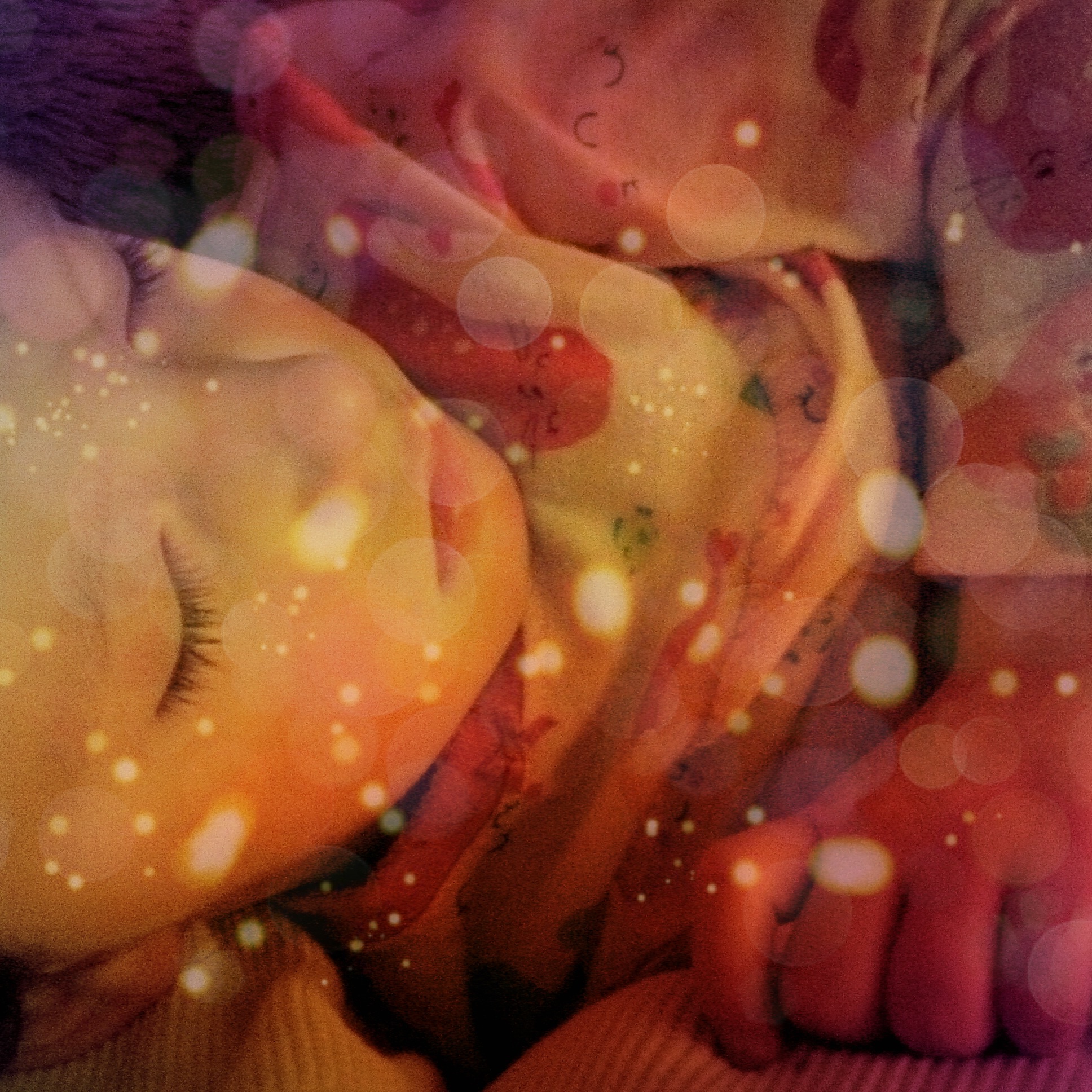 She’s sleeping cradled in my arms, and the tiny bridge of her nose is the sweetest, smoothest, most perfect arch to an equally tiny end, that could have been the model for the term “button.”
Her lips are full and well shaped; her eyes fringed in not only lengthy eyelashes, but deeply curled ones, like her daddy’s.
(She likes to watch me curl my own lashes when I get ready to go out, and I always think how she’ll skip this step when her grown-up routine is born.)
She gently stirs and makes quiet noises of comfort as my ripped-open heart wraps itself around her; with her tired hand on my pajama-covered breast.
I’m leaving her tomorrow.
I never thought that I would be the kind of woman to do this, not in a hundred million years—but I am.
I’ll fly states away and, although I haven’t ever been away from her for a full day, starting tomorrow I’ll be away for a couple.
Because I never thought that I’d be the kind of woman who has a weekend with good friends for no real reason at all besides celebrating their love for one another and their need to spend time—I’ve always wanted to be this sort of woman and even think that I am, but the funny thing about life is that you can never be too sure of who you are until you’re put into particular situations.
And, for me, that situation was being asked to join these wonderful friends for a weekend together—and far away from home.
I wanted to say yes from the start and I practically did. However, my mind told me to say no—and this was one of those times when you don’t listen to your meddlesome mind, but to your true and beating heart.
And maybe for some it wouldn’t take courage to book a round-trip plane ticket.
Possibly no bravery would be required to tell your little girl that you’re leaving for a few days, but that you’ll be back to cuddle and squeeze her and love on her (as you stick your fingertips into her soft, pliable skin and grin widely down into her beaming face).
I sang her to sleep tonight with the refrain from one of her favorite television shows.
Grown-ups come back to you; grown-ups come back they do.
She looked too serious, though—and a lot too pensive—so I brought her close to my chest and held her the way that only a mother can. (I’m 34 and my mom still has a special way that she holds me.)
So goodnight, my princess.
Before you wake, I hope you dream of unicorns and favorite books and painting on your easel—and I hope you sleep tight with the love that I carry for you deeply embedded in your own tender, beating chest.

Chapter 34.
My daughter is quickly growing up.
Everyone says it happens like that; you snap your fingers and—poof!—they’re grown.
I glance over at her as she sits cross-legged on our wooden floor by her stack of favorite books.
She’s pointing at brightly colored drawings while animatedly reading aloud from a treasured selection, and then she’s suddenly running across the room to where I also sit cross-legged. She plops down in my lap, her face inches from mine, her smile beaming up into my face, and I feel a tear leak out of the corner of my eye.
My baby.
Almost three years old and so big—and no longer my baby.
I smile back into her eyes before she turns around, excited for her chance to listen to me read the book out loud—and as we repeat this ritual for the millionth time (of just that morning), I think of the many things I want to teach her.
Of course, I hope she’ll want to practice yoga with me and ride bikes with her daddy. I hope, too, that she’ll study the yamas and niyamas and yearn to go backpacking in the woods.
I’d like her to learn Spanish and to play the piano—yet none of this is my real dream for her.
My real dreams for my daughter are quite simple.
I want her to be kind, to treat people with respect.
The world is often a lonely place filled with anger and frustration, and I want to teach her that much of this pain can be avoided if you don’t fall prey to gossip and lying and hurtful behavior. Rather, if you send love and pleasantness out into the world, I wholly believe you’re more likely to attract it right back to you.
I want her to be confident.
There’s a falseness in arrogance, which stems from an internal well of insecurity instead of self-love. I want to show her that to extend kindness out into our world, it’s important to first extend it inward, to yourself.
I want to help her understand that our flaws and personal struggles have this strange tendency to lead us to understanding and compassion, because these unique imperfections bring with them their own special values. If we can learn to embrace both our light and our shadows, then we’ve moved away from being afraid of the dark.
I want her to be rich.
I hope that she knows that this has nothing to do with money.
I’d like to share with her that having people to love who love you in return makes you wealthy.
I want her to have faith.
I want her to know that faith doesn’t mean believing in a particular God or ideology, but that having faith is knowing that there are things in this world that we cannot easily see and hold in our hands—and that these are the things that matter.
I want her to remain a child.
She should know that you can grow into an adult without losing your curiosity and easy humor. She should also know that inside we’re all still small children, but that some of us just pretend we’re not a little bit better than others.
I want her to believe she’s capable.
I hope that she can see her dreams floating on lofty clouds high above her head and think without a trace of doubt that she can build a long enough ladder to reach them.
I hope she knows that everything she aspires to be, she already is.
I want her to know that I love her.
Sometimes my daughter looks at me with such honest adoration, and I hope that she still looks at me this way once she’s figured out how fully flawed I am.
I want her to know that I’ve never tried so hard in my life to be as good at anything the way that I try to be her loving mom.
~
I return from my thoughts and look down at my tiny lady, her hand reaching up for mine. Ours fit together like puzzle pieces, and the really odd thing is that I wasn’t even aware mine was missing anything until it held hers.
My heart feels like this too.
I bury my face in her soft, curly hair and tears prick the backs of my eyes.
Almost three, I think in shock.
And I know I’ll be sitting here, my wet cheek pressed to her tender head, thinking almost 13 and I’m not quite sure how those years passed by in only minutes.
So as she grows, and I grow more, I remind myself of what it is that really matters.
And it’s not messy kitchens and dirty clothes or even learning to count and read—it’s being in these cherished moments exactly as they happen so that I know, while they may have zoomed by with unfair speed, I didn’t miss a thing.
Photo credits: Author’s own; Moyan Brenn/Flickr.
The post The Caged Girls: Before She Wakes. first appeared on Jennifer S. White.
]]>The post Recipe for a Successful Life. first appeared on Jennifer S. White.
]]>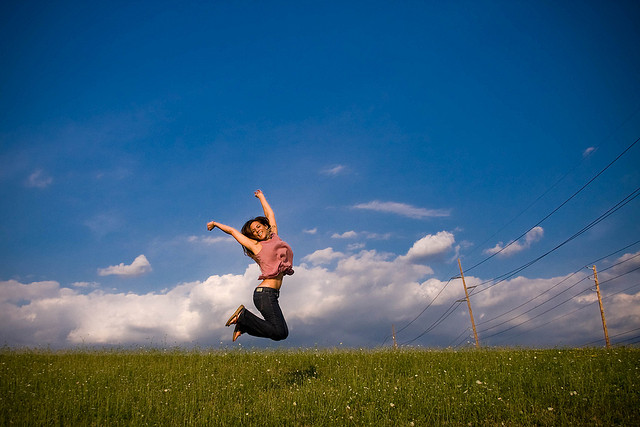
“My recipe for life is not being afraid of myself, afraid of what I think or of my opinions.” ~ Eartha Kitt
I just got off the phone with my sister.
She witnessed a terrible injustice today in her job as a social worker.
I look over at my daughter—so small, fragile and dependent upon protection despite her sassy, can-do attitude—and I’m struck square in the chest with the forceful realization that these types of injustices occur daily and hourly and over and over again.
And I might not be able to help (Lord knows my sister tries). I might not even be able to keep my own child safe (although not for lack of effort and perseverance), and this sickens me.
Yet, as I glance towards her curly hair and soft, peach-pink skin and large, intelligent, kind eyes, I see my success as a human being—in her tiny person, my whole life is given more meaning than every “A” that I earned in college or every mile that I pushed myself through when I ran or any amount of success that my writing will bring me.
Because the most important thing in a recipe for success is two-fold.
Initially, we need more than goals. We need hopes and dreams and sandcastles in the sky to build foundations underneath—and then we have to be open to the flowing, swirling, mutable way that life unfolds despite our best laid groundwork.
My own hopes and dreams have a fundamentally unchanged core, but much of what I want changes as I give myself permission to grow and shift and, in short, become wiser.
So, for me, my starter recipe for success looks something like this (you know, like a starter for bread dough…I digress):
A well-rounded cup of imagination.
We are at our best when we are inquisitive and capable of understanding that there is more to unearth than what we’ve been given to work with.
Several dashes of humor.
Maintaining a sense of humor gives us the confident foundation to stay malleable enough to go with life’s twists and turns—and fun is absolutely part of the successful journey.
Copious amounts of self-love.
Yes, love in general is grand, but true love begins with loving ourselves.
If it’s been a long time since you’ve treated yourself with love, then take the baby step of having a gentler inner voice (the way that you would speak to a young child or a beloved friend).
A handful of fire.
I’m a nice person. Sincerely, I am. However, my recipe calls also for the ability to stand firmly and tenaciously when I need to in my own convictions.
A pinch of cynicism.
Because it’s okay to insist on looking outside of the box and it’s more than okay to question and stay curious.
A shake or two of money.
We need money to live. As a chakra enthusiast, I often keep within the back pocket of my mind that my spiritual self is nurtured and nourished by an equally practical self that wants to care for my basic human needs.
(You know, that whole a tree has roots thing.)
A hunk of willing to get dirty.
And I don’t mean playing dirty or anything undesirable. Rather, we do need to remember that if we want to hang out in sandcastles in the clouds, that someone has to get a little mussy building that foundation.
A couple smidgens of forgiveness.
Successful people will fall. More, they expect to fall and to fail.
It’s wonderful to have the aforementioned fire and tenacity to get back up, but it’s even better to forgive yourself for not living up to expectations.
One thing that I find helpful is to recognize that my falls are teaching tools and learning experiences towards my larger success rather than simple, unnecessary set-backs and obstacles.
And your recipe might ask for varying amounts of these ingredients, but that’s the best part about being a master chef—you can create your own new, brilliant—and previously unknown—recipes.
“As a single footstep will not make a path on the earth, so a single thought will not make a pathway in the mind. To make a deep physical path, we walk again and again. To make a deep mental path, we must think over and over the kind of thoughts we wish to dominate our lives.” ~Henry David Thoreau
Photo credit: thephotographymuse/Flickr.
This article was first published by elephant journal.
The post Recipe for a Successful Life. first appeared on Jennifer S. White.
]]>The post The Caged Girls: Flying Above the Storm. first appeared on Jennifer S. White.
]]>
Visit here for more of The Caged Girls.
Chapter 29.
My pen rolls across the paper—fluidly—and my words come out almost sloppily. (It’s not my usual, preferred ballpoint pen.)
My fingerprint-laden aviator sunglasses—the ones I’ve had for nearly a decade, with gold rims and the lenses that make the world appear brighter—rest in the cup-holder next to me, to my left.
The warmed car seat beneath my thick, off-white winter peacoat helps me to relax.
My rose gold and turquoise ring—a family piece that’s circulated within us for over 100 years—falls slightly to the right as my thumb and first two fingers press into the firm rubber grip of the black pen, gliding smoothly along my decomposition book.
My cheek itches suddenly and I pull down the mirrored visor to look.
Distracted, I notice the way my dark brown hair wisps out of the copper barrettes that pull it back on either side, creating a few haphazard chunks around my temples.
My forehead has maybe three shallow lines running across, broken in the middle and making it, more accurately, six.
My fine eyebrows arch high and I admire the perfection of their shape (thanks to a recent salon visit).
My eyes have light imprints of sleep-deprivation underneath them that appear somewhat like purple-tinted shadows. Above these shadows, I observe that today my eyes are more blue than green. This changes easily, though—due supposedly to my black Irish ancestry—and I trace the yellow that faintly edges my pupils, lending to this color changeability.
I hear the trunk pop open and smile intuitively at the sound of my husband returning to our little silver Jetta.
I feel the soft, grey light hit the surfaces of the car interior and I hear, once again, the sound of my daughter’s music playing through the speakers. I’m no longer alone inside of my mind and, although it takes me a moment to collect myself and shake free from my thought stream, I smile again; knowing that life isn’t meant to be continuously lived inside of ourselves.
He climbs into the driver’s seat and reaches for my hand. After squeezing it between his much larger thumb and forefinger he pulls away from the two, diagonal yellow lines—and towards the pink and peach setting sun.
Chapter 30.
My fluttering heart stopped beating.
At least it felt that way—time standing still and you swear that you can see a humming bird stopped, mid-flight over your shoulder.
And then it ends and time starts up again, but it’s still slower for you—making the speed of the world overwhelming in its unnecessarily rushed and hurried pace.
When something stops you in your tracks—a loss, horrible news, a heart-cutting blow—it doesn’t seem fair that life shouldn’t pause while we grieve and figure out how to collect ourselves in order to stand back up.
These incongruous places in life can feel hollow and desperately alone—and it’s when we feel hollow and alone that anorexia can become an unfortunately welcome friend.
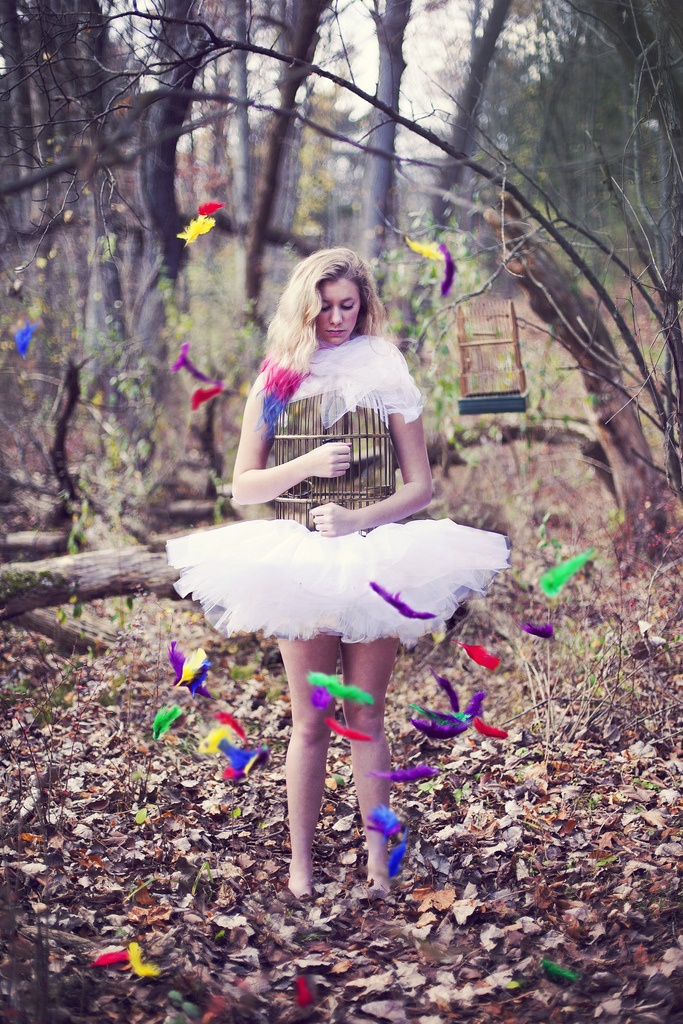
But anorexia is absolutely a frenemy—not a true friend. It doesn’t make hardships easier to deal with—it adds on to them; it becomes a distraction and, if we’re being honest, this is what we’re really seeking.
So, although I’m that rare once-anorexic bird who is completely recovered, I have to pay careful attention to myself—and to my heartbeat—when life deals me merciless challenges—because I know that I’m not immune from turning to an eating disorder to cope—no, I’m much more likely, considering that this is exactly what I did for years.
And there’s another cutesie saying that occasionally floats around the internet and pisses me off: fat is not a feeling. Because fat is absolutely a feeling—with an eating disordered person, that’s a perfect description of what it is.
And when, finally, we are ready to move forward from this night-terror of a coping mechanism—to begin picking up our pieces and moving a tiny bit closer towards our healing—we first need to admit what emotions we’re avoiding by feeling fat instead.
Anxiety?
Depression.
Loneliness?
Fear.
What is it that’s going on within the framework of our lives that we are trying so hard to avoid that it’s easier to abuse our bodies? (Note: this is where therapy can be helpful, within these early stages of the healing process.)
For me, I’m usually avoiding something that’s severely upsetting and that I’m not in control of—a situation with a family member, an illness, a death—and my eating disorder gives me that wonderful, false semblance of control.
More, it gives me something else to focus my mind and emotions on—my caged, needy body.
Chapter 31.
My fingers work clear, thick shampoo through my hair.
I close tear-rimmed eyes as white lather spills down my back.
Warm—almost hot—water runs down the length of my body, to my feet and down the drain near my toes—and I wordlessly beg for it to wash away anything that I don’t want to hold onto anymore.
I don’t want my guilt. The soapy water can have the fragments of my broken heart too.
I’m also ready to leave behind my anal-retentive need for authority—that piece of me that wants every minute, self-created element to fall in line with a cruelly fictitious plan that’s never played out correctly anyways.
Because I’m not in control—not wholly. Rather, I’m in control of the way that I react.
I’m in charge, also, of my actions. (Which reminds me of a few other things that I’d like the hot water to wash down this drain).
My fingers today don’t clickity-clack, clickity-clack. No, they sound more like pitter-patter, pitter-patter—light and not aggressive; softly hesitant.
Because I don’t mind sharing my intimate feelings—I want to explain how I broke out of my cage and how I don’t even keep it on my shelf for rainy days anymore—yet this doesn’t mean that I always love revisiting my past.
And that’s the strangest part about no longer being a caged girl, like my former self—the one who lived, at times, small and contented and, in others, angry and hostile—she doesn’t feel like me anymore. And when I step back in time and put on her fragile glass slippers and wear them around to see how well they fit now, I discover that, like Cinderella, they’re still perfect, and it scares me more than anything—the reality that I really was her and that she’s not just some character in a story.
Pitter-patter, pitter-patter—I want to tell her that she’s no longer welcome in my home with the sunny, open windows, but I know better—she’s more likely to come snooping—peeping—around if I ban her from my heart.
So I content myself, now, with those, thankfully, rare occasions when my heart stops beating and I can count how many times a hummingbird’s wings beat up and down, up and down, and I content myself, too, with my more reckless emotions and my upsetting human struggles, because it’s when I ignore them that she threatens to move back in—and I like my free—albeit humanly imperfect—life.
And I might not be able to stop my churning heart, nor the busied world from stalling, but I can count the pulsing of my own wings—I can feel the pumping of my reality and I can accept it, even when it doesn’t ideally mirror my quietly quaking soul.
Photo credits: tanahelene/Flickr; Geraint Rowland/Flickr.
The post The Caged Girls: Flying Above the Storm. first appeared on Jennifer S. White.
]]>The post 8 Tips How to Love a Woman, From A Woman. first appeared on Jennifer S. White.
]]>
I hope this isn’t a disappointment, but this particular article is about one of the most sacred relationships that’s ever existed: the friendship between women.
From Ruth and Naomi to the Ya-Yas, some of the best stories ever written have been about the power and depth of the connection between female friends, and for a valid reason—women who have amazing friends can’t imagine life without one another.
And I’ve been thinking a lot about the special ladies in my life because I’m in a spot that makes my friendships exceedingly difficult to spend time on.
My family’s needs—and my own—leave almost no room for phone conversations, much less frequent girls’ nights out. Plus, many of my besties live far away and, well, friendship is something that needs tending to in order to continually blossom, much like a romantic relationship.
So here’s a short list I’ve compiled about how to love another woman—and how to offer ourselves as best friends.
1. Judge less, listen more.
Placing our own life’s experiences and personality traits onto a friend’s situation is not ideal.
Yes, it’s often nearly impossible to not take mental notes about how we would do things differently, but my suggestion is this: don’t only verbally judge a friend less, offer yourself the freedom to listen without needing to assess the information.
This is different than a friend hurting herself or someone else, and this is also taking into consideration that a friend is a healthy, positive influence in my life. Having these crucial requirements met—people are not the same.
Sure, I might never have said that out loud to my mother-in-law, but we choose the friends we do because they compliment us, not because they mirror us.
Enjoy these differences and try to really listen to her more and talk back—and even think critically and responsively—less often.
2. Have fun together.
Just like romantic partners need to go out and have fun together from time to time—in order to be reminded of why they like spending time with each other in the first place—it’s equally important for girlfriends to have fun together.
Not everything in a friendship has to be serious and soul-baring, and it also doesn’t have to be elaborate, expensive or overly time-consuming. (Seeing that many of my friends are young moms, we don’t have that as an option anyways.)
For example, one of my favorite things to do is meet my best friend for a yoga class. We both get to practice our yoga, and if we have time we’ll grab a coffee together.
Speaking of coffee, I often meet my other best friend for coffee before getting our kids from school. We usually have only 15 minutes to interact, but this time is hugely important in my life (I realize this when I have to skip out).
3. Look at her.
We get used to barely looking at the people that are part of our daily lives.
Make sure to take time to pause and look into a friend’s eyes when talking with her. Notice how she’s standing. Typically these little things can inform us about what a friend might not be saying.
4. Touch her.
People need physical touch. Especially when a friend is single or her partner works a lot—frankly, many of us need more human touch than we get.
Don’t be afraid to hug and kiss a friend on her cheek.
5. Be perceptive.
A good friend is not necessarily someone who makes over-the-top gestures. A good friend is the one who knows how I like my coffee.
She knows that when I haven’t been answering texts this means that I’m either upset or busy, so she checks in on me—possibly making “too many” calls and sending several messages (and she knows that it’s not “too many” for me).
And a good friend understands that it’s these little things that make you special to her and vice versa—and you celebrate these quirks together.
6. She can stand up to me.
An ideal friend is someone who, absolutely, doesn’t critique me unnecessarily. On the other hand, my dearest friends can tell me if they think I’m making a mistake or they can offer a piece of wisdom that they think would help me.
For example, I was finally having to deal with teaching my daughter to apologize awhile back and my friend chimed in, letting me know that a much healthier way to do this is to show young kids to ask others “are you okay?” rather than say “I’m sorry.” This teaches empathy instead of reinforcing guilt. Good to know!
And the best friendships? When I can reciprocate this. We’re on equal ground and we respect each other enough to be honest when necessary and no one is regularly feeling bull-dozed by the stronger personality.
7. Forgive her.
She will make mistakes.
I will make mistakes.
Everyone on God’s green earth will make mistakes.
If a friend is wonderful enough to be in my life, then I need to know to forgive her and, better yet, help her forgive herself too.
8. Stay out of her other relationships.
It’s fine and dandy to have friends in common—some amazing friendship circles work this way.
Still, I need to keep in mind that just because I don’t happen to like Suzie Q, she’s allowed to. I should stay out of her other friendships when they don’t involve me, and if I respect her, then I can respect the people she chooses to bring into her life, other than me.
Honestly—I don’t know how some women make it through life without girlfriends. I know that life, for me, would not be worth living.
“Shared joy is a double joy; shared sorrow is half a sorrow.” ~ Swedish Proverb
Photo credits: Valerie Everett/Flickr.
This article was first published by elephant journal.
The post 8 Tips How to Love a Woman, From A Woman. first appeared on Jennifer S. White.
]]>The post The Caged Girls: The Key. first appeared on Jennifer S. White.
]]>Part Five: The Key (Chapters 13 through 17).
Chapter 13
She sits typing rhythmically in recycled plastic yoga leggings that are softer than satiny silk.
Unicorns run down the backs of her legs and the vibrant coral of the fabric’s magical desert-sunset backdrop goes completely with her fluorescent pink top.
She knows that she looks ridiculous to probably most people, but she doesn’t care.
Her new good luck charm—a gilded unicorn on a gold chain, adorned with a faceted and meaningful peach gem—rests below her throat and above her quaking heart.
Her fingers feel clumsy today—simultaneously sleepy and too rested. She glances quickly at the clock, notes the time and continues to work; wearing only her new gold necklace and wedding rings, the deep sapphire blue band sparkles as her fingers dance across her laptop keyboard.
The words tumble out freely—the releasing of long-stagnating water—and she contemplates her outright declaration that this will be the year of the unicorn—the year she’ll believe in magic.
Chapter 14
Her daughter now owns a matching pair of recycled plastic, unicorn-backed pants.
She sits on her mother’s lap, so that their thighs can touch and she can point to where their knees are cloaked in the same soft material.
She doesn’t yet understand the magic of the unicorn or what her new clothing symbolizes, but she feels deeply that they are special—if only because they allow her to match her mama.
But she knows that magic is real.
She sees the way that snow drifts down in huge whirls from their rooftop; the way the light catches on an icicle outside her bedroom window; how a person can hold the entire universe inside the palm of her tiny, closed hand—even if that hand is still much bigger than your own.
It intrigues, also, the older woman that people can be so small and inconsequential and yet so correspondingly huge.
She feels the way that she compares her popularity to others on base social network sites and the few friends that she has by how rarely they call when she needs. It disturbs her—these things playing any level of significance in her day’s thoughts—because, as she sets her phone aside, she sees plainly the way the younger girl looks at her—like the world would stop its turning if for one moment her mother’s small star set.
She closes the pieces of plastic that make up her laptop—where her fingers twist stories and her mind enters the tangible—and she sits motionless for a beat or two, so that the buzz of her words might settle and dissipate into the air that she and her daughter breathe.
Chapter 15
I can’t believe that I write about my eating disordered past.
It doesn’t shame me or feel lowly, but that girl feels like a ghost and nothing at all like me.
But then I place myself in time—back when she lived and thrived and flourished—and I recognize how ill I was and how this girl was definitely me, however removed from her I am currently.
And then I walk into the yoga studio and I hear women talking about their backsides as they scan them in the lengthwise mirror or a friend tells me how round she is in the middle or, worse yet, I see small children already noticing how and where their bodies differentiate from their peers.
I know that I can’t keep my daughter from this body assessment, no matter how hard I try—a cage awaits her, and it’s not as far down our road as I often like to think.
I can’t keep her safe from herself forever, but I can tell her my secret—the story of my own disease and how I learned to love myself after a long and arduous, up-hill journey and I can do something that most of us do not: I can let her in.
It’s definitely easier to push people away when life grows difficult, and I’m absolutely guilty of this behavior, even when what I need most is a gentle hug or a word of tender kindness from someone who knows me well; it’s a protective coping skill that’s developed as we learn how much we can tolerate and what makes us want to shut down, and it’s challenging times like these—when we fear we have broken irreparably—that a cage can actually become a welcome home.
Still, having anorexia is an extremely unsuccessful way of reclaiming this comfort of control.
At first, the hunger pangs that go ignored are empowering and the mind conditioning—not unlike a long-distance runner—becomes a source of pride. The inherent flaw with this plan, though, is that the downward spiral of physical weakness and the dependency on the disease itself both negate any semblance of control that the victim can possibly maintain (which usually isn’t much anyways).
There’s a reason, too, that many women never recover.
For one, our society has a horrible way of giving silent props to thin women, even if it took starvation to get there. At the same time, we condemn this unhealthy behavior, and this blatant double-standard does not go unnoticed—and it’s confusing, especially to young, forming girls.
Fashion models, actresses and gorgeous singers are gold-worthy goddesses, and the assumption is often that they are eating disordered in some way—they must be—and then, regardless, we hold them high on (tipsy) pedestals where our little girls look up at them in idol worship.
And how disturbing is that? Essentially, we’re promoting each round of new females to battle their bodies; to live in cages with limited stores of food and copious amounts of self-conscious critiques.
And, yes, we can argue that not every woman becomes anorexic or even eating disordered at all—and, surely, there are small amounts of truth buried there—but we can’t ignore how many of our daughters and sisters and mothers and lovers judge themselves next to unfair and unreachable standards. More, we can’t pretend that somewhere—every day—girls aren’t climbing into cages that they might never be able leave.
Chapter 16.
I would wake up in the morning before school and immediately stand in front of the bathroom mirror.
I would lift my lavender and white striped pajama top and look at my concave navel and the slight protrusion of my ribs.
Later, as I walked through the school corridors, I would look down at white tennis shoes as other girls passed by. I was a good girl who did my homework and didn’t let boys touch her underneath her shirt.
I sat down at the long, faux-wood table in front of a clunky, old computer and the boy next to me remarked that my glasses looked like they didn’t fit me anymore and that my face had shrunk over the summer and was I okay?
It struck me as fascinating that this boy with the slightly naughty reputation would be one of the only people to ever ask that question—to my face, at least.
And then I was sitting on the bench in the women’s locker room of the strip-mall gym that I frequented early in the morning, before my classes began at the university. The sun was barely up and the locker room was dim, bordering on dark.
A woman I didn’t recognize in the least asked me, almost frantically, if I was okay. She wasn’t able to walk past my gaunt frame lifting weights or working in the cardio room, the way that the others could and did.
I stepped on the scale before I left—92 pounds.
I walked down the long, underground school hallway to my mineralogy class and my favorite professor asked how I’d keep warm when it really got cold—I was wearing a thick, scratchy wool sweater and it was barely October.
I walked into the bathroom after class; the one where few girls entered because not many were in the geology building in the first place.
I bent at the waist and looked underneath the two stalls for feet and, seeing none, lifted my ribbed cotton shirt; examining my concave navel and protruding ribs. The girl who looked back at me was empty; hollow. Her eyes didn’t sparkle and her smile wasn’t there either. Her hair wasn’t shiny and her stomach had a thin coating of downy hair.
Who are you? I wanted to ask out loud—I wanted to shout. What have you done with the real me?
I pulled my shirt down and picked up my book-weighted backpack. I pulled with all of my 92 pounds on the metal handle of the heavy bathroom door and returned down the empty corridor to my chemistry class.
I wondered absently if this was the real me, in that bathroom mirror, and a shiver of terror ran from the back of my head to my empty stomach, creating goose-flesh on my almost skeletal arms.
Chapter 17.
My scrawny limbs scratch and the flesh tears as I reach desperately through the metal bars.
I can see white-blinding light streaming in through thin, parallel slats.
I went out to dinner with my boyfriend. He wants desperately for me to just eat; to be well; to not be slowly killing myself while pretending nothing’s happening.
I’m over 21, but I don’t drink. I sit down across from him at the round, alabaster cloth-covered table and order a glass of rosé. My first sip tastes bitter—like slightly tart juice. I decide to swallow it, not because I really care for the alcohol content, but because I hope that the wine will be my spoonful of sugar that helps the medicine go down.
It works and I regularly drink wine with my meals.
We order deep fried pickles served with a homemade, creamy white sauce, the consistency of which disturbs me on a deep level. I ask the waitress to bring the veggie sampler as my meal—it’s a plate of raw vegetables.
We walk home after dinner, to our cozy, we’re-in-love-and-this-is-our-first-ever apartment.
Inside I slip off my jacket and he touches my cheek with his work-toughened fingers. He lightly kisses me and pulls me towards our sparse bedroom, down the long, dark, narrow hallway. I’m needing his body in a way that’s absolutely more than physical—I’m needing him to love me.
We spend innumerable nights alternately studying, watching Seinfeld and, basically, growing up together in our second-floor apartment in a college town plopped down somewhere in a Midwestern cornfield.
We fall in love and we, sometimes, fall out of love to. (I’ve learned that the secret to a relationship’s survival is not falling out of love at the same time.)
Of course, we never truly fall out of love, but we do fall out of accord with each other—especially when I’m riddled with my disease. It affects every aspect of my being and it takes my personality away. The starvation doesn’t just hit my taut-skin-over-bone body, it dissolves the very center of myself to an almost empty state.
I watch acids work in similar fashions from where I sit, perched high on my black leather stool in chemistry class. I also watch liquids change color—periodically transforming completely—with the addition of just one small ingredient.
I begin to believe in magic—and not the kind that leads other college kids to purchase corny metal daggers and velveteen, hooded cloaks—but the kind where anything is possible—where I can be free.
I feel glaring light hitting my face in even, thin slants. I close my eyes and hug my thighs up to my chest—curling into a ball with the smallest surface area imaginable—and when I reopen them, I see a figure standing over me—arms outstretched, work-toughened palms wide and face up.
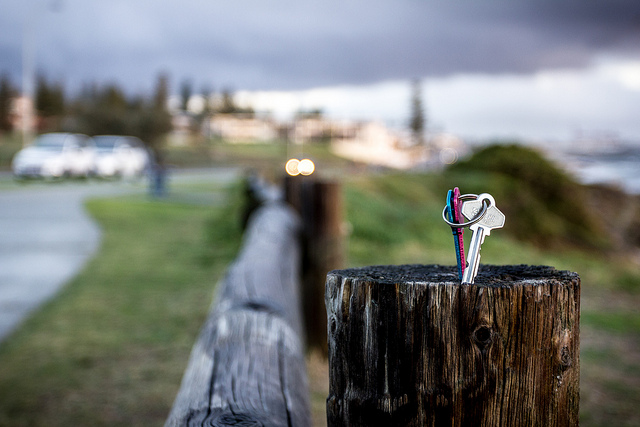
I blink repeatedly—being so unused to bright light and the juxtaposition of his dark shadow with it—and I hear the tinny clink of metal landing hard on metal. When I look over, to where the sound came from, all I see is a worn, thick key.
Photo credits: Daniel Lee/Flickr.
The post The Caged Girls: The Key. first appeared on Jennifer S. White.
]]>