The post 5 Ways to Let Go Gracefully. first appeared on Jennifer S. White.
]]>
“In the end, only three things matter: how much you loved, how gently you lived, and how gracefully you let go of things not meant for you.”
People do have the ability to affect our feelings, but as much as I sometimes don’t want to admit it, only we are in charge of our reactions.
One of the hardest things for me as a person, for a long time, has been not getting stuck on how I felt in an uncomfortable moment of interaction with another. I have a great memory and a sensitive heart, and I occasionally have to actively move forward from not repeating words that hurt me or pissed me off. I have to actively move forward from these emotions, reverberated through my body.
Interactions with others are a requirement of being a human being. We cannot live on Earth and be surrounded only by people that we easily get along with. This said, there is merit in having to spend time with difficult people—within reason, of course—it’s true we can learn more about ourselves, and sometimes we might find compassion where we originally couldn’t hope for it.
Still, there are a few things I do to move past such stale emotions; helpful rituals I find myself coming back to in order to process something difficult, and then go on.
1. Yoga.
I practiced yoga the other day after feeling hung up on a conversation. This combination of deep, steady, rhythmic breathing, with moving and stretching and yawning my body open—while also strengthening—reminds me that I’m supple and pliable. It’s reinvigorating to be reminded of how capable I am of bending, and how strong I am when I was initially feeling weak.
While I might not leave my yoga mat a perfectly different human being than I was when I hopped on, I am absolutely better equipped to deal with life, and to move forward one breath at a time.
2. I workout.
Yoga practice is great, but I’m not only a yoga practitioner. Nope, I’m a weight lifter, a HIIT cardio lover, and, actually, I’m certified as a Spinning instructor, too. I digress. My point is that, for me, working the shit out of my body—sweating profusely, exercising my muscles, and getting so immersed inside of my body that my brain has no time to churn unnecessarily—is one of my favorite go-to’s for getting past old crap.
3. I talk about it.
There’s a difference between talking a wound into the ground and dwelling on it—and treating our spouse like an unpaid therapist—and talking about a feeling in order to get in touch with it and then leave it in the past. (And, by all means, do see a licensed therapist if need be.)
4. Writing.
This is actually not related to blogging or publishing at all. Often a difficult relationship is the last thing we should write about and then publish on—or, at least, we need to get some space so that we’re making sure it’s helpful and not just emotional vomit purged out into the world without purpose. Regardless, journaling and writing about an event we’re having trouble letting go of has definitely helped me figure out why exactly I’m so hurt and crippled—and then I’m more able to care for my emotions without that aforementioned wallowing.
5. Spending time with those I love.
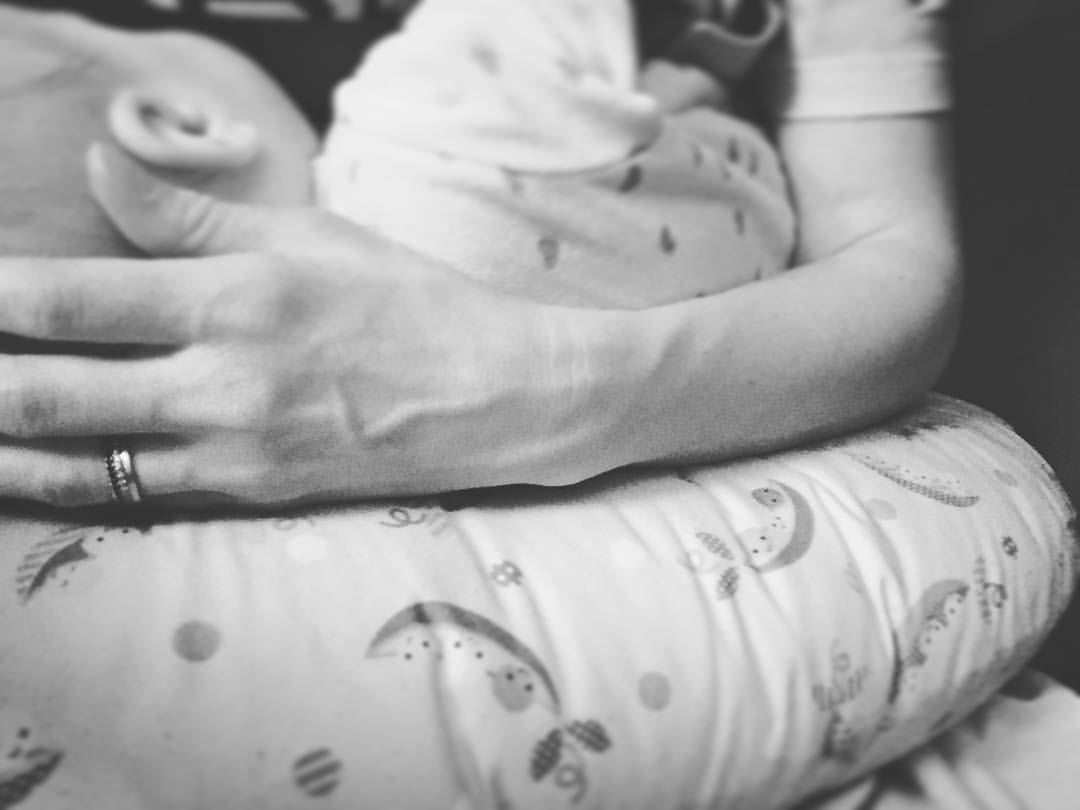
And, at the end of the day, we deal with people in our lives outside of the people that we are able to choose, and who we enjoy spending time with. Taking one sincere look at my children, and smiling into their eyes, and holding them, and cuddling my husband, and laughing with him over a silly movie after the kids have gone to bed—these types of simple, positive experiences are always reminders of who and what matter in my life.
The post 5 Ways to Let Go Gracefully. first appeared on Jennifer S. White.
]]>The post How a Mother’s Heart Lets Go. {Part 2 in The Caged Girls.} first appeared on Jennifer S. White.
]]>
Part 2: The Caged Girls.
She sat alone in a chair, her legs folded neatly beneath her. Her heart felt not so neat.
She contemplated the day, how she had reacted to her small daughter, and she curled her legs more underneath her bottom; her metallic black shawl feeling like a much needed hug.
Her daughter’s crying from the day echoed in her brain, but now she sat with a brainless fashion magazine in her lap.
She thinks of how she longed to be a mother for years before finally emerging as one—knowing always that her children lie cocooned within her only waiting to make her the mommy she always felt she was—but her repeated daily failures make her feel selfish for wanting to actually have them.
She draws a smooth, tart sip of red wine. She normally drinks white.
The heater in the house comes on with a near-silent puff, but the old house’s quiet exposes the noise as almost offensively loud. She is not used to quiet.
She blinks her eyes closed—she honestly shuts them so tightly that little creases form along their outer edges. Firmly, she gives a final squeeze and then opens them, as if this will make the world more fictitiously shiny and wholesome, and her heart feel less dramatic.
She doesn’t like feeling that she’s dramatic, but the intensity of emotion builds so fully and so often for her lately that, frankly, she accepts she is, at least for now.
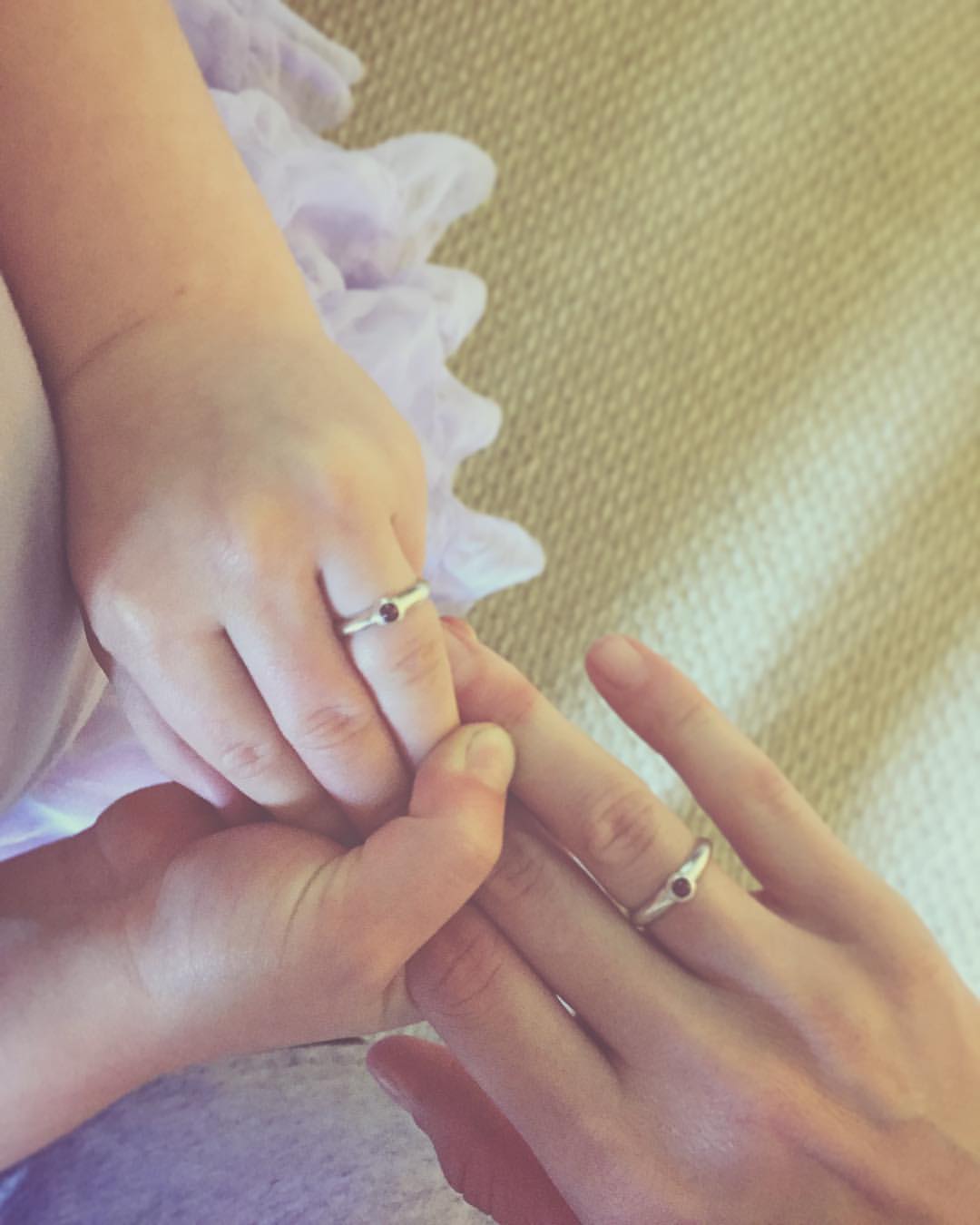
She notices that the tiny strawberry-hued ruby—the one that matches her daughter’s small, silver ring—has turned on her finger, as it shifts along the keyboard of her laptop. She turns it rightside up. It shifts to the other side of her finger.
Her life feels like this.
She moves and pulls and draws things to her—appointments held promptly as children are buckled into car seats; text messages sent with loving intention, but difficult execution—things like that. Life is not as practical, or as precise, as she tries to make it be.
Instead, her life meanders and takes its time, pausing with roadblocks to her carefully measured successes—and then often these are exactly the life experiences that shape and shift her as she moves through it.
She shifts in her seat and rises, thirsty for more than red wine.
She takes her jug of a water glass with her small hand and goes to the dispenser to fill it.
She feels the tingle in her breasts, reminding her that the baby will need to nurse soon, and thinks of one daughter holding onto the side of the shopping cart as her husband pushes it; her other daughter nestled in it, in her baby car seat.
She turns the ruby ring again and consciously lifts her breastbone to the ceiling—an obvious yet subtle shift of confidence, and of resilience too.
She tips the red wine glass towards her mouth and takes the smallest taste. She wills her heart to work itself into a stronger muscle.
Strength is not increased by tightening or force. She knows from having scoliosis that a tight, short muscle is not a strong muscle. Rather, a muscle with both suppleness and firmness is most advantageous.
She feels a brief letting go in her heart muscle as she decides to honor that she is only having a workout—an exercise session of sorts—by being challenged with her strong-willed, equally passionate children.
Being more comfortable and able to understand herself in this way, she decides to stop here for the evening. To pause. To rest. To let go.
The post How a Mother’s Heart Lets Go. {Part 2 in The Caged Girls.} first appeared on Jennifer S. White.
]]>The post How to Let Go and Choose Love. first appeared on Jennifer S. White.
]]>
I was sitting on my little girl’s bed.
Decked out in pink and multiple pillows, she sat underneath the crook of my mommy-wing. Next to me, on the other side, was my newborn little girl.
I sat and looked at them—I just looked and sat—and I felt within my tender new-again mommy-heart this birth of contentment.
This swell of overwhelming joy crept up from underneath my once-again nursing breast. I was cloaked within this feeling of fulfillment and I remembered how so much lately I had felt cloaked in despair.
Cloaked in the reality of multiple dirty diapers and no sleep and frayed, exhausted nerves. And then, looking over at her on the one side and her on the other, I recognized what I have within my life—genuine love.
I’ve had a renewed self-motto lately: Choose love.
Because it’s easy to choose grumpiness.
It’s easy to choose cranky, bitter, held-hostage feelings of jealousy or comparison or general moodiness. I’ve recognized, too, that much of my moodiness stems from me not living from this place of present purity; like I felt right there, on that pink bed, with my two little daughters by my side.
Because it’s also easy to realize when life is sticky and uncomfortable; when relationships are challenged and strained; when people are unpleasant and unkind—but it’s equally simple to choose love.
And that’s it—I choose love.
I choose to let tears fall down my cheeks when my feelings are hurt.
I choose to let my heart be worn on my sleeve, even when it feels invisible to the world I inhabit.
I am not invisible.
I am loud. I am raging. I’m a swollen river beneath my nursing mother chest, and this river does occasionally overflow.
It overflows with murky, muddy waters that leak and seep hatred and sadness—but that’s not the real me, that flows like smooth, glassy, quiet water underneath these often overwhelming currents of life.
And I do choose love—it’s a choice.
I can choose to let my unexpressed feelings build and pile up until they come out all wrong and not how I really feel them anyways—with ugly words and angry glares—or I can choose to authentically share myself; to release myself from this human, flesh-draped cage and live moment to moment, free.
There’s this song that I grew up listening to called Puke + Cry by Dinosaur Jr. I feel like this song lately.
I feel this unburdened, deep need to release everything that I’ve held on tightly and unnecessarily to all of these years.
There’s another song, Glosoli by Sigur Ros, and its last two minutes make me want to Puke + Cry. It makes me want to let go; truly let go.
To me, letting go is something I do not do enough—it’s living moment by moment and from my fragile, wounded, strong, resilient soul instead of from false strength, fear and confinement.
How many of us live from this minute that just past or the one that’s happening in an hour and not from this second, this new second, this now second that’s right here, slapping us in the face to feel everything it has to offer.
Yet that’s the hard part: feeling everything; feeling it all.
Because for those of us who are sensitive, empathetic and emotional, there’s usually an awful lot to feel.
And it’s scary. It’s horrifying, really, to feel that these two little girls sitting on either side of me in a pink and pillow-laden bed are my world and that my world, tomorrow or the next day or the one after that, would be completely different if something happened to them.
But that’s life. And if I spend my now moments waiting for what might or could happen, I lose the magic that surrounds me every waking minute.
Still, for those of us (for all of us), who have ever felt true pain, there’s something sickly beautiful nestled discreetly—perversely—inside: this dark reality that beauty resides everywhere, even within an ugly, ugly truth.
And what I choose to observe and own is what winds up making my reality—I have the power to choose my own reality.
But life is hard. (No one who ever feels it all will tell it differently.)
It’s also gut-wrenchingly gorgeous when we let go and let life in; when we let it happen. (And this is what makes me want to puke + cry.)
And my tiny daughter plays joyously on the floor near me while my other, newer daughter swings softly close by—that moment that gave me such complete elation has already passed. I’m so glad I saw it and took it in, even though it’s gone.
Photo: Flickr/wilB
This article was first published by Be You Media Group.
The post How to Let Go and Choose Love. first appeared on Jennifer S. White.
]]>The post To Turn the Page, We Must Feel it All. first appeared on Jennifer S. White.
]]>
I close my eyes and exhale completely.
For a turn of a page in time, I am still.
I am quiet and ready to tackle anything.
Then I allow my eyes to open and the first thing I see is her, sitting on our TV stand playing with candles and Little People.
My heart dances and I know that no matter what lies ahead for me—or for her—that this space—this paused moment to breathe, expand my lungs with air, and take in everything around me—is what makes my life feel fulfilling.
The places in my life that I have wanted to run away from—and those instances when I’ve wanted to pound the pavement away from myself—are, strangely, the places that have lasted the longest.
Surely this is partially due to the discomfort within my circumstances or my heart, but, equally, life’s discomfort lasts much, much longer when we turn away from being present within our pain.
Drinking, starving, overeating, exercising—these are all ways that we can attempt to escape our reality, but none of them work. Instead, we become entangled—entrenched—further and further in misery by adding weight onto our burdens rather than lightening them.
Some pain cannot be relieved overnight.
Some pain, in my experience, seemingly takes a lifetime to dissolve, and some I’m not convinced ever really gets alleviated in one human experience.
But we have no choice.
To be our best versions of ourselves, and to live our best days, we must feel it all.
I have to hold my disquieted heart in my exposed hands and understand that part of my life is about experiencing sorrow, grief, anger and a plethora of ugly heart-impressions that hang out inside of a human interior.
I feel these sensations, and then I feel their opposites.
I feel the way that my soul seems to rise up into the crown of my head from indescribable joy; filling up every nook and crevice of my being.
And I feel everything in between, including my more frequent, average-day disposition.
So as I prepare to close the book of this day, I contemplate where I sit, right now.
And as I sit here writing this the tears are clouding behind my eyes and now slightly blurring my vision and now falling gently down my cheeks, and I know that I’m still holding onto certain emotions—and I’m okay with that.
I’m alright with my slightly tense neck and, also, my buoyant heart—bolstered by a day of love from the little girl perched on top of the TV stand.
I accept that today I stood in my frustration. I walked with my resentments. I held hands with my hurt and my guilt. Because, at the end of my day, when I turn another page the words that settle there are mine to write—and I can’t wait to see what tomorrow helps me compose.
Photo: Wikimedia Commons.
This article was first published by elephant journal.
The post To Turn the Page, We Must Feel it All. first appeared on Jennifer S. White.
]]>The post 8 Ways to Make Every Day Your Best Without Pretending You’re Happy or Letting Go. first appeared on Jennifer S. White.
]]>
“To stay with a broken heart, with a rumbling stomach, with the feeling of hopelessness and wanting to get revenge—that is the path of true awakening.”
~ Pema Chodron
There are some mornings when you wake up and you’re not really sure how you feel yet—the sky isn’t quite dark, but it’s also not yet light.
You’re awake and ready to move and make coffee, but you’re not close to alert or mentally crystal clear.
You had a mixture of strange dreams, compiled of family members’ faces you miss and subconscious hopes you didn’t even know were there until they so unexpectedly popped up into your night.
You’re excited about your afternoon plans and saying good morning to your daughter, but you can’t fully explain why you still feel a little mopey and kind of…heart-achy.
And what do you do? When you feel that your day and your mindset could potentially go in several directions? You do this:
1. You get out of bed—after lying there for a moment.
You let your possibly raw, tender or unexpressed feelings settle into your tissues and your conscious mind so that you’re able to be fully present in your life—able to deal with whatever comes up because you’re not hiding from yourself or your life—and then you get the f*ck up. You roll to your side, swing your legs over your bed and you. get. up.
2. You practice yoga.
Ideally, this is a real, physical yoga practice that involves breathing and moving through sun salutes and postures that are designed to release the aforementioned experiences from your tissues, so that you don’t carry around yesterday’s tensions and burdens. Yet here’s the secret: you can practice yoga in many different ways.
Just to name a few: ride a bike, walk on a scenic local trail, chew and taste every bite of your breakfast. Breathe. Inhale. Exhale. Repeat.
3. You don’t let go.
You eventually do—maybe—but you remember for dear life—and you accept that.
I cannot help that I have a memory that hangs onto exact words from a conversation from years ago or the knowledge of exactly the way I felt in a situation, but let me tell you that pretending you don’t remember does no good. This is called denial.
Instead, be open to the reality that who you are might not be who you “want” to be. Jealousy, hurt, fear—these are all emotions that are extremely uncomfortable—but it’s much worse to pretend that they don’t exist.
Learn to acknowledge, accept and name what’s going on inside of yourself and your life, even if it’s not ideal or welcome.
4. Hug and kiss.
Hug your children. Kiss your husband good-bye before work. Hug your mother. Kiss your friend on her cheek. Cuddle your dog.
In short, never forget to live the true human experience of touch—we crave it because we need it.
5. Throw away your bucket list.
Oh, bucket lists, I really don’t like these. Why? Because you should already be living every single stinkin’ day like it’s your last. Will that mean climbing Mount Everest today? Hmmm, probably not since you have a nine o’clock meeting. On the other hand, does this concept shape your every interaction?
Will you kiss your husband good-bye after he irritated you because you never know what the day will bring? Not to be negative, but it’s true. This is the real world.
Will you take a chance and ask for that raise you know that you deserve (the proper way, of course) because you’ve decided to live your life to its fullest every day, and not just on your birthday and Christmas?
Live. Every. Damn. Day. Like. It’s. Your. Last. (And throw away your bucket list, please.)
6. Open your heart.
Okay, I don’t want to get all syrupy new-agey on you, but this is true: life hurts. It stings in fact. However, if you close and harden and become crotchety and bitter as you age, then you attract these type of people and experiences right back into your life. Open up your heart, even and especially when it hurts.
You got burned in love? Try again. You got fired from your job? Apply for a better one.
The world needs more people who aren’t afraid of pain and who know that they are resilient enough to survive, thrive and move on.
Be a phoenix not a lemming.
7. You are not too old or too young.
Ageism—another one of my arch nemeses. You are not too young to have your own thoughts and ideas and you are not too old to learn new things, to change or to simply love living. If people around you are telling you otherwise, find empathy for their obviously limited view of their own capabilities and shrug off their words—and then proceed to do whatever the hell you want.
8. Eat mindfully.
Eating disorders go in many directions. If you are ignoring your body’s hunger cues and eating foods that generally make your body feel bad, you are not doing yourself a service as far as pursuing your best day.
So yesterday was a day filled with poor choices? (Or maybe your life up to now has been?) So what. I can tell you from personal experience that our bodies are more regenerative than we often think and that effective change happens when you take baby steps, not running leaps. (You know, the old tortoise and the hare story.)
I look out the window and notice that the sky is definitely a brighter shade of grey. The looming, unforecasted rain casts a heaviness that I feel in my bones. (Literally, even my once-broken bones feel this weight.) I decide to let the mysterious melancholy that I feel wash over me and through me, rather than turning away from it.
I get up to make my coffee and I look forward to feeling its smooth, velvety texture roll over my tongue.
I breathe and feel my chest expand with air.
I dreamt in black and white last night—I always do. I dream in shades of grey.
This makes me aware that life is a spectrum and not two distinct colors. I want to see each shade for what they are, because that’s living my life—that’s being authentic and this truth and clarity make each day my best.
I sit with my loneliness and my own inner shades of grey because I know that living from this place allows me to move towards the end of the spectrum that I choose.
I believe that life is a choice.
We can’t always choose our circumstances and we might learn to shape and transform our feelings and thoughts through effort, but we still have to own up to our almost primal and instinctual reactions.
So you want to live your best day? Then be you. Feel you. Live every day right where you are.
“To truly laugh, you must be able to take your pain, and play with it!” ~ Charlie Chaplin
Photo: KittyKaht/Flickr.
This article was first published by elephant journal.
The post 8 Ways to Make Every Day Your Best Without Pretending You’re Happy or Letting Go. first appeared on Jennifer S. White.
]]>The post The Caged Girls: How to Grow Wings. first appeared on Jennifer S. White.
]]>Part Seven of The Caged Girls: How to Grow Wings (Chapters 20 through 24).
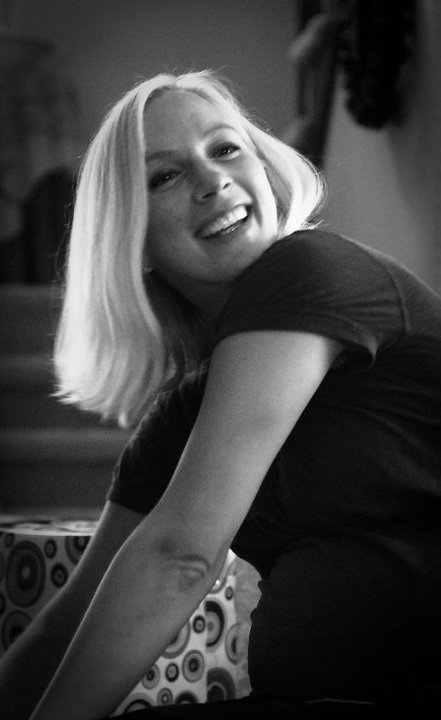
Chapter 20
I’ve never been happier in my life, than when I was pregnant with you.
This doesn’t mean that my life was perfect.
I had difficult people running in and out, under the guise of challenging me to grow. I struggled to earn a reputation as not just a good yoga teacher, but a great one. I wasn’t rolling in money and our bathroom toilet frequently backed up—the only one in the house, mind you.
Yes, I had morning sickness—or, more accurately, all-day sickness—making the frequent joke that this term must have been made up by a man.
I taught classes at six in the morning, went back to teach at noon, sometimes subbed in between and then regularly subbed in the evenings. In short, I worked a lot and life wasn’t faultless—but, still, I know without a shadow of shaky idealistic doubt that I was positively the happiest I’ve ever been, when I was pregnant with you.
But then life doesn’t always happen according to plan.
Struggles that seem like they’ll break you rise and shine and start each new day and you watch the man you love more than anyone in this world—besides you, my dear child—dissolve into fits of anguish.
I had forgotten entirely what it felt like to be a shell of a woman.
I’d let go of that eating disordered girl years before—just turned my back on her and walked away. However, it wasn’t until I’d hit the largest obstacle of my life to date—without resorting to anorexia—that I knew I was truly healed, and I learned another lesson, too: that turning your back on something and letting it go are two entirely different things.
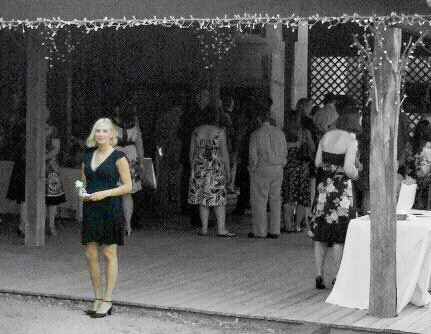
(P.S. That’s me at five months pregnant with you.)
Chapter 21
Hot tears stream down your temples.
They run in a quiet yet small stream that remind you of riverbeds made of black Egyptian kohl eyeliner.
Your hot tears trickle onto your bed where you lie on your right side in the shape of an L, bent at your hip creases.
You tell people that you are not a crier. You know that this only partially true and that we all cry, some of us just more—or less—willingly than others.
Ironically, you also consider yourself a fragile human being, but this fragility has encouraged you to move through your life with a nicely-built, thick shell—a shell that you falsely think is impenetrable to outside attack.
And you know that you are quite vulnerable in reality. Over time, you’ve encouraged yourself to drop your mask—watching it shatter and crack into fragments—only occasionally gluing it haplessly back together to don it once more.
You wear a mask of ego, of confidence and of an easy social butterfly—and sometimes you are these things—it’s not a mask, it’s the real you.
Your eyes are clamped shut and you hear a rustling at the edge of your bed where you still lie sideways in an L.
The soft whisper, whisper of movement is your tiny daughter as she comes in gracefully—delicately—to wave bye-bye to you before Daddy takes her to pre-school. The tears fall harder—now less of a quiet stream and more of a gathering storm.
You hear your husband in the kitchen, moving quickly and capably, to fill your last-minute request of child prep and school drop-off because your headache makes you feel that you cannot face the muted light of the cloudy day, much less the bright faces of other children and their bustling parents.
You’re thankful; thankful for a man who so lovingly steps in and for a daughter who, with your eyes re-closed, you feel gingerly brushing your hair for you—it’s a loving gesture from one female to another, even though one is only a girl of barely three.
You’re grateful for—no, mesmerized by—the old soul that inhabits a body of such miniature proportions.
She hugs you gently, and looks deeply into your wet eyes as she pulls away. She smiles and runs after her Daddy as he opens the front door.
The door shuts and you let your tears fall heavily onto your turquoise quilt.
This is the anatomy of letting go.
You saw your massage therapist yesterday and she released a spot underneath your shoulder-blade that you’re not sure has ever known relaxation—it’s uncomfortably close to your heart.
You drift into such a state of peacefulness that your skilled therapist notes your tranquility out loud. She tells you tostay there, so you do.
You observe later that the release has moved up from your shoulders—from the back of your heart—and into your throat.
Your throat becomes irritated and you lose your voice, much to the disappointment of your duet-loving daughter.
Still, you recognize that release—that letting go—isn’t meant to be comfortable.
You’ve held onto these emotions so forcefully that your muscles have knotted in places and your jaw can’t help but clench in your sleep. You dream of crumbling teeth.
And you slept well last night—much better than usual despite your aggravated throat—and you woke with a headache so fierce that you thought you might throw up.
Your head pounds while the space behind the back of your heart is strangely calm and still relaxed.
Your voice is still gone and there’s an enormous pressure between your ears, but you know that this is simply your clung-too past leaving your aching body.
You clumsily find your phone and call your doctor, making an appointment that gives you just enough time for a hot shower.
You know that she’ll most likely tell you that you have another sinus infection—you’re almost positive—and, yet, it doesn’t matter because you know that this is simply how it feels to let go.
This is the anatomy of liberation.
You pat your dripping hair with a warm blue towel after turning off the shower. You throw on yoga clothes, not because you think you’ll practice in them today as normal, but because they—in their own funny way—are an armor of a different kind—one of health and wellness, of happiness and ease.
You know that your pounding headache won’t last forever, although it worsens when you bend over to tie your jogging shoes. You know that it won’t last forever because you’ve become both too tired and too strong to hold onto your suitcase of burdens anymore.
It’s now your turn to open the front door, and, looking over your shoulder at your daughter’s pint-sized pink and white table and matching chairs, you visualize her waving bye-bye and do the same, and though your hand doesn’t move, you are saying good-bye—and you know that you’ve just made space to carry what lies ahead.
Chapter 22
I sit stiffly at my old dining table.
I feel rigid.
My fingers are pale from the lack of winter sun kissing it and my nails are painted a rich, dark blue. My ruby ring—shaped like a slice of the moon—is large and heavy and it doesn’t turn while my fingers race across my laptop keyboard.
My skin is not only pale, but it’s dry from the lack of humidity in the air. Strangely, however, I’m not ready for the end of winter to come.
Others are counting down days, while we sit patiently or irritably within this Midwestern season of arctic cold and snow accumulation. Yet I feel as if this parched season of chilliness settles perfectly into the stillness—the tiredness—of my bones.
My fingers move more cautiously than normal. The words don’t want to come, because I don’t want to anchor into my beating, churning heart.
This morning my tiny lady and I drove to her music class and I purposefully—and unusually—left my sunglasses off. And it wasn’t just the several inches of white that had fallen and then stuck the night before, but the ironically dry road that reflected the sun so brightly that it reminded me of an ocean—a sea of blinding yellow-peach light that felt like I was driving my little silver Volkswagen into a strange morning dream and not towards a shore of store fronts and rush hour traffic.
What hit me most about that gorgeous wash of early sunlight on the street was that I felt like it was washing me.
A euphoric calm penetrated my depths, as I sat on my heated car seat with my hands at ten and two o’clock. My daughter was quiet in the backseat, looking out the window.
And as I’m driving and this sensation is beginning to approach me on a conscious level, I recognize that the song playing through my car stereo has the refrain “big hard sun.”
I listen, I drive and I feel like everything will be okay, even though mentally and externally it seems that life is not coming together the way I have falsely—rigidly—designed.
We pulled into our destination—a muck and slush-covered parking lot next to the music building—and the tranquility dropped away, but I held onto that indescribable internal stabilizing and settling as the day wore on; as I eventually put on my sunglasses; as I drove home with a different song playing in the background—and as my emotions became more and more turbulent.
Chapter 23.
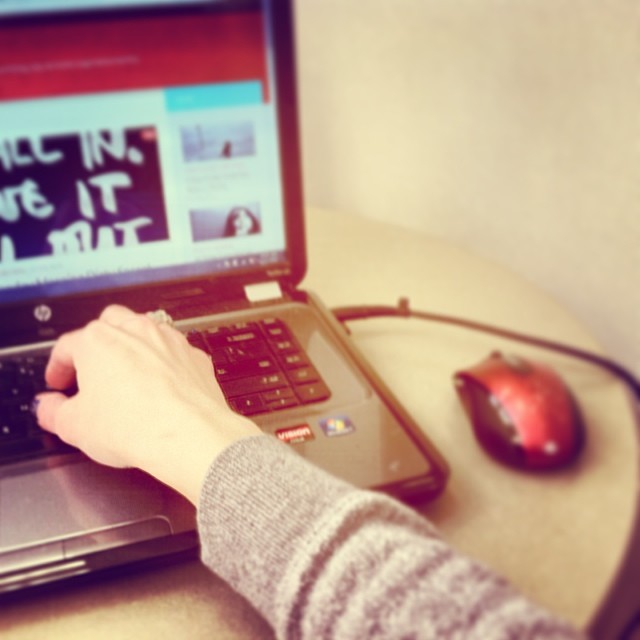
The family heirloom ring that I wear most days on my right fourth finger twists and turns as I type. The words do not want to come out.
Normally they burst forth with such a wave of passionate explosion that I can’t contain them, even when I sincerely give effort to doing so.
My right hand hovers above the laptop keyboard, moving quite a lot even though I’m willing it to hold it still.
Nerves are a funny thing.
I’ve been up since three a.m.
I awoke next to my daughter in pink princess sheets—her breath softly filling up my inhales; her delicate sleep sighs making me quake with love. I tip toe out of her room; shutting the door quietly but it still creaks into place anyway. I move methodically through making myself coffee; opening up the laptop.
I realize fairly early on that I don’t want to write about feeling this way because how do you describe anxiety as anything besides its unpleasant play of tangled emotions, sitting in the base of your stomach, making you want to vomit before you’ve had anything to eat or drink.
It hits me suddenly that this one person is my home; that this one, fragile human life has been my home base.
And how do you tell someone, in their tender earthbound skin, that they are your gravity; your weight; your lifeblood? How do you make enough homemade chicken soup to soothe an always breaking and repairing human soul? How can words not fail—despite all of their glory and aspiration—to convey something as unlimited, as unquenchable and as indefinable as love when their own shapes have beginning strokes and ends?

We tell people that it will be okay and that all things work out for a reason, but is this really true? Or are we just filling the uncomfortable space of the uncertainty of life with our flat and hollow mortal words?
I will not pour emptiness into the space just to watch it fill up.
But then I find myself shyly whispering it’s going to be okay.
Because, as it turns out, I’m not filling space with shallow words—I’m filling up another’s heart with love from my own.
Chapter 24.
We hold feelings and experiences in the tissues of our bodies—this is another belief and reality of a yoga practitioner.
I don’t doubt this because I observe the way I clench my jaw, my abdomen, and how I grip throughout my hips when I’m stressed or anxious.
Our hearts and our emotional beings are intrinsically connected with our physical selves.
I notice that I can work so hard to mentally get myself out of a bad mood or an intellectual funk and then I get onto my mat and flow and breathe and be and it just disappears all by itself, by working my muscles in and out of yoga poses.
And as an extremely sensitive, empathetic person, my yoga practice has played a crucial role in my self-love and my willingness to want to get out of my cage—to want to grow up into a strong, whole woman instead of living as a broken little girl.
But that’s the strange thing about healing and about love—we don’t always want to get well.
We don’t always want to be whole. It can be much easier living as a hollow, breakable individual because we’re not filled up with the gooey, mushy, penetrable parts of us that are never immune from pain; from hurt.
And the anorexic attempts to break herself first—a preemptive strike; a self-defense.
It doesn’t work.
Instead, she lives in a constantly broken state of pain and every small, inevitable blow of life comes crashing down with full-force blunt trauma that has the speed and power to cripplingly wound rather than temporarily disable.
What begins as self-salvation from a terror too large for her to handle turns into her Achilles’ heel; making everything that comes her way nearly impossible to manage.
She digs herself into her own grave, even though that was never her intention. Rather, her aim was to set herself free—to fly high above her worries and her sorrows—but now she has nowhere to go but down, down, down or up at a nearly vertical angle.
So what does she do?
Does she keep burying herself?
Or does she grow wings, so that she can finally fly, as she’d originally tried to do, but in vain.
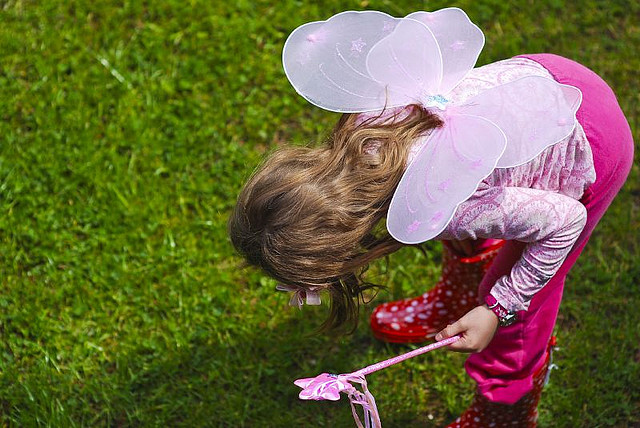
Photo credits: Author’s own; Arwen Abenstern – KWP/Flickr.
The post The Caged Girls: How to Grow Wings. first appeared on Jennifer S. White.
]]>The post (Letting Go Can Bite Me.) This is How We Forgive. first appeared on Jennifer S. White.
]]>
I’m sitting here realizing something: that I will never, ever be able to let go.
Ever.
For real.
But I need to forgive.
I just sat down to talk with my best friend (my husband) and this is what I told him I thought forgiveness is.
It’s not letting go (because letting go can bite me), but it is this:
Forgiveness is never forgetting.
I cannot help that I remember more than I want to sometimes.
Forgiveness is acceptance.
It’s not saying that anything is okay, or not okay, for that matter—it’s not passing a judgment. Instead, forgiveness is admitting that it happened, that it occurred and that this might not be okay because…
Forgiveness isn’t denial.
It’s not pretending that “you’re a better person” for it or that “it was meant to be,” because that’s bullshit.
Still, forgiveness is moving forward.
That was the crux of what I said to him (my glorious husband-best-friend): it’s moving on, with what happened as a reality of our past.
And then, he said this: “But it keeps coming back to me.”
Ugh. So true.
It haunts me.
It visits me in my sleep.
My mistakes—the things that, really, have made me who I am and who I’m happy to be.
All those years spent hating my body, and starving myself because I thought in some odd way that it could starve my emotional self too; and that my old wounds would somehow wither and die along with my shrinking skin.
The sharp, dagger-words that I wish I could take back, but that I can’t.
The harsh withdrawal from someone I love, in order to first save myself.
All of that and more—all of the ghosts.
Because the past might be accepted or, further, even moved on from, but what about when it revisits, like a ghost—like a phantom of Christmas past?
I saw a ghost in my house last night. Twice.
I do not believe in ghosts. Rather, I’m not sure what the hell I believe in, but I’ve seen them more than once—so there’s that. And I saw a ghost in my house last night on my child’s video monitor while she slept. Twice.
I’ve seen ghosts before—although I don’t believe in them.
(It’s funny what happens to you, when you don’t believe.)
Once, in a farther corner of the world from where I currently sit typing, I saw a dog reclining in the sunny spot on the carpet in front of a bay window—right where a dog would actually lie. I was cradling my hot mug of tea in my bare hands and walking myself into the other room, to also sit.
I saw that dog like it was right there—a spaniel with spots just so, and of just this color. I had already seen this vision before, too. The dog had run into our parlor room (it was an old-fashioned brick house in the middle-of-nowhere New Mexico—which we adored, by the way).
I recall standing agape and holding the hinged screen door ajar—a dog just ran into my house! And then I turned, and it was gone.
And let me, equally, tell this: we received a gift from our New Mexican home’s former tenant.
It was a beautifully framed, old photograph of the house after it was first built—and there, in the foreground, was a woman holding a dog’s paw as it stood on its hind legs, shaking its hand. The dog was identical to the one I’d seen and felt in that house on more than one occasion.
(For those of you who have ever loved a dog, it will come as no surprise that if a ghost could exist, a dog deserves to be one too.)
I didn’t want to re-hash my spectral tale, but I must. Because the past is not irrelevant—or even invisible—and this is how we forgive:
We remember.
We never let go.
But we live on—we hold our former experiences and our former selves in the palms of our hands like apparitions that we can’t abandon—and we walk on.
We get out of our own minds, and our own prior experiences, and we live the fuck on.
Period.
And I’d love to insert an inspiring forgiveness quote here, but they all suck.
However, I’ll offer this up:
Letting go can bite me—it’s not going to happen—but my present will not now, nor will it ever, be determined by my past.
This article was first published by elephant journal.
The post (Letting Go Can Bite Me.) This is How We Forgive. first appeared on Jennifer S. White.
]]>